How to Plan a Wedding Without Hiring a Wedding Planner
September 28, 2026
A wedding becomes easier to manage when large decisions are broken into smaller decisions with deadlines. You do not need to make everything at once. A practical plan helps you…
How to Plan a Wedding Without Hiring a Wedding Planner
A wedding becomes easier to manage when large decisions are broken into smaller decisions with deadlines. You do not need to make everything at once. A practical plan helps you protect your budget, book important services at the right time and leave room for the unexpected.
This guide is about How to Plan a Wedding Without Hiring a Wedding Planner. The most useful way to approach the decision is to break it into manageable questions rather than trying to solve everything at once. Wedding planning is full of attractive options, but clarity is more valuable than simply collecting more options.
Every couple has different priorities. Guest count, location, date, family expectations, cultural traditions, accessibility requirements and personal taste can all change the right answer. Treat general advice as a framework, then adjust it to your circumstances.
Start With the Big Picture
Before making individual decisions, define the purpose of the purchase, the experience you want guests to have, and the limits you need to respect. A useful starting point is to separate essentials from preferences. Essentials are items that affect safety, legality, timing or basic functionality. Preferences are the details that make the celebration feel personal.
For this decision, pay particular attention to budget. Couples often concentrate on the headline feature and overlook the practical details surrounding it. Ask yourself what you need, what you are willing to compromise on, and what would create a genuine problem if it were missing.
A practical exercise is to write down the decision in three columns: must have, nice to have and unnecessary. Then attach a realistic budget or time limit to the first two columns. This simple exercise prevents small upgrades from quietly becoming major expenses.
It is also worth asking what happens after the wedding. Some choices are temporary and some create memories or consequences for years. Think about durability, resale value, photographs, convenience and whether the decision will still matter to you after the excitement of the planning period has passed.
Know What Is Included
Many wedding misunderstandings begin with assumptions. Ask what the quoted price includes, what is optional, what has an additional charge and what the couple must provide. Get important answers in writing. A package can be excellent value when its inclusions match your needs, while a seemingly inexpensive option can become expensive after necessary additions are included.
For this decision, pay particular attention to guest list. Couples often concentrate on the headline feature and overlook the practical details surrounding it. Ask yourself what you need, what you are willing to compromise on, and what would create a genuine problem if it were missing.
A practical exercise is to write down the decision in three columns: must have, nice to have and unnecessary. Then attach a realistic budget or time limit to the first two columns. This simple exercise prevents small upgrades from quietly becoming major expenses.
It is also worth asking what happens after the wedding. Some choices are temporary and some create memories or consequences for years. Think about durability, resale value, photographs, convenience and whether the decision will still matter to you after the excitement of the planning period has passed.
Compare Like With Like
When comparing options, use the same questions for every provider. Compare hours of service, staffing, deliverables, setup and teardown, travel, taxes, overtime, revisions, meals, rentals and cancellation terms where applicable. A simple comparison sheet can make differences much easier to see.
For this decision, pay particular attention to venue. Couples often concentrate on the headline feature and overlook the practical details surrounding it. Ask yourself what you need, what you are willing to compromise on, and what would create a genuine problem if it were missing.
A practical exercise is to write down the decision in three columns: must have, nice to have and unnecessary. Then attach a realistic budget or time limit to the first two columns. This simple exercise prevents small upgrades from quietly becoming major expenses.
It is also worth asking what happens after the wedding. Some choices are temporary and some create memories or consequences for years. Think about durability, resale value, photographs, convenience and whether the decision will still matter to you after the excitement of the planning period has passed.
Ask the Questions That Matter
Do not be afraid to ask detailed questions before signing. Good professionals expect couples to ask about availability, experience, backup plans, communication, payment schedules and contracts. You are not being difficult by asking for clarity; you are reducing the chance of disappointment later.
For this decision, pay particular attention to vendors. Couples often concentrate on the headline feature and overlook the practical details surrounding it. Ask yourself what you need, what you are willing to compromise on, and what would create a genuine problem if it were missing.
A practical exercise is to write down the decision in three columns: must have, nice to have and unnecessary. Then attach a realistic budget or time limit to the first two columns. This simple exercise prevents small upgrades from quietly becoming major expenses.
It is also worth asking what happens after the wedding. Some choices are temporary and some create memories or consequences for years. Think about durability, resale value, photographs, convenience and whether the decision will still matter to you after the excitement of the planning period has passed.
Think About Your Guest Experience
A wedding decision should be evaluated from the guest's point of view as well as your own. Consider transportation, accessibility, comfort, food service, timing, washrooms, weather, parking, sound and the amount of waiting guests may experience. Small logistical problems can have a large effect on the day.
For this decision, pay particular attention to timeline. Couples often concentrate on the headline feature and overlook the practical details surrounding it. Ask yourself what you need, what you are willing to compromise on, and what would create a genuine problem if it were missing.
A practical exercise is to write down the decision in three columns: must have, nice to have and unnecessary. Then attach a realistic budget or time limit to the first two columns. This simple exercise prevents small upgrades from quietly becoming major expenses.
It is also worth asking what happens after the wedding. Some choices are temporary and some create memories or consequences for years. Think about durability, resale value, photographs, convenience and whether the decision will still matter to you after the excitement of the planning period has passed.
Protect the Timeline
Wedding days contain more moving parts than most couples expect. Build realistic travel, setup, portraits, meals and transition time into the schedule. Avoid creating a timeline that works only if every person arrives early and every activity takes exactly as long as planned.
For this decision, pay particular attention to invitations. Couples often concentrate on the headline feature and overlook the practical details surrounding it. Ask yourself what you need, what you are willing to compromise on, and what would create a genuine problem if it were missing.
A practical exercise is to write down the decision in three columns: must have, nice to have and unnecessary. Then attach a realistic budget or time limit to the first two columns. This simple exercise prevents small upgrades from quietly becoming major expenses.
It is also worth asking what happens after the wedding. Some choices are temporary and some create memories or consequences for years. Think about durability, resale value, photographs, convenience and whether the decision will still matter to you after the excitement of the planning period has passed.
Plan for the Unexpected
Every wedding needs a backup mindset. Weather can change, a vendor can become unavailable, traffic can delay transportation and equipment can fail. You do not need to plan for every possible disaster. Focus on realistic problems and ask each major vendor what their contingency plan is.
For this decision, pay particular attention to attire. Couples often concentrate on the headline feature and overlook the practical details surrounding it. Ask yourself what you need, what you are willing to compromise on, and what would create a genuine problem if it were missing.
A practical exercise is to write down the decision in three columns: must have, nice to have and unnecessary. Then attach a realistic budget or time limit to the first two columns. This simple exercise prevents small upgrades from quietly becoming major expenses.
It is also worth asking what happens after the wedding. Some choices are temporary and some create memories or consequences for years. Think about durability, resale value, photographs, convenience and whether the decision will still matter to you after the excitement of the planning period has passed.
Make the Decision Personal
There is no universal wedding formula. A couple who loves photographs may allocate more toward photography. Another couple may care most about food, entertainment, flowers or the venue. Your priorities should guide your spending and scheduling rather than social media trends or pressure from other people.
For this decision, pay particular attention to ceremony. Couples often concentrate on the headline feature and overlook the practical details surrounding it. Ask yourself what you need, what you are willing to compromise on, and what would create a genuine problem if it were missing.
A practical exercise is to write down the decision in three columns: must have, nice to have and unnecessary. Then attach a realistic budget or time limit to the first two columns. This simple exercise prevents small upgrades from quietly becoming major expenses.
It is also worth asking what happens after the wedding. Some choices are temporary and some create memories or consequences for years. Think about durability, resale value, photographs, convenience and whether the decision will still matter to you after the excitement of the planning period has passed.
Review Before You Commit
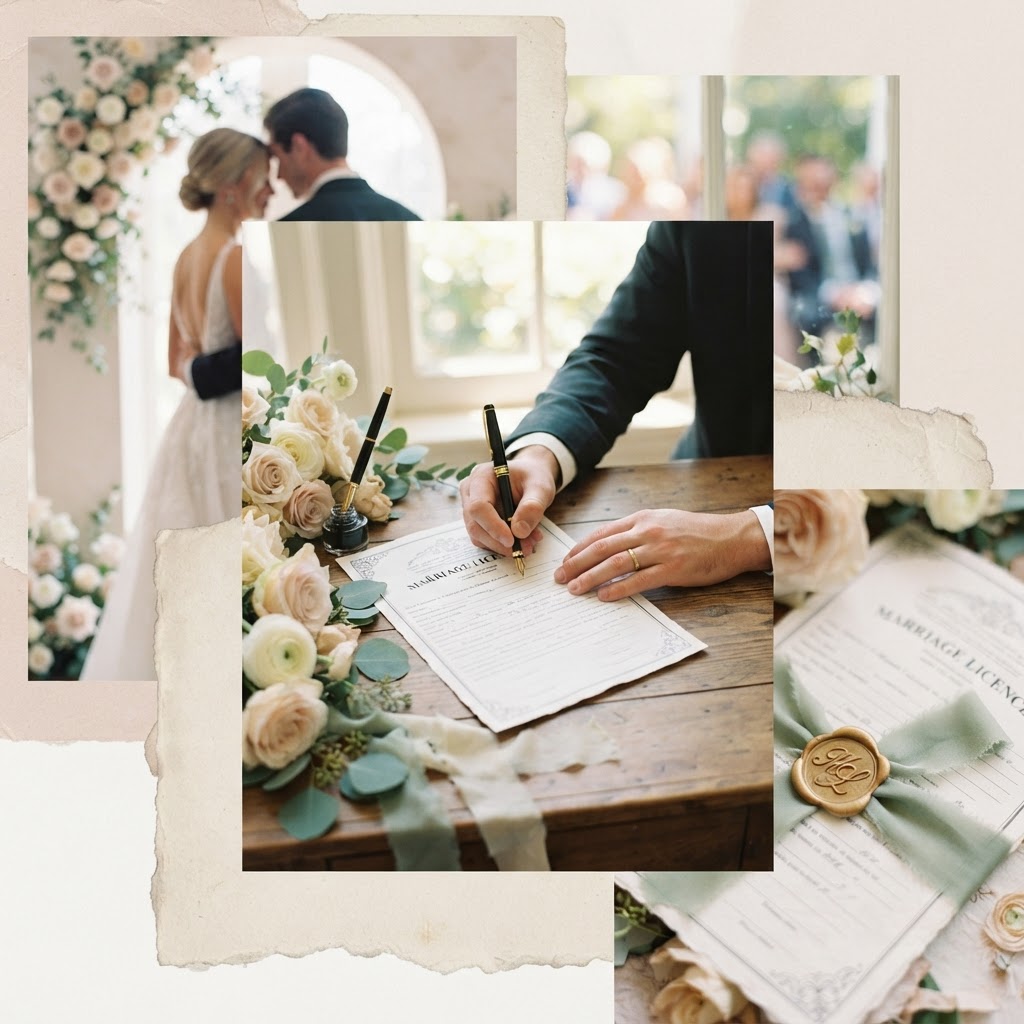
Before paying a deposit, read the proposal and contract carefully. Confirm names, dates, hours, locations, deliverables, payment deadlines, cancellation rules, overtime, travel charges and responsibilities. If something important was promised verbally, ask for it to be added to the written agreement.
For this decision, pay particular attention to reception. Couples often concentrate on the headline feature and overlook the practical details surrounding it. Ask yourself what you need, what you are willing to compromise on, and what would create a genuine problem if it were missing.
A practical exercise is to write down the decision in three columns: must have, nice to have and unnecessary. Then attach a realistic budget or time limit to the first two columns. This simple exercise prevents small upgrades from quietly becoming major expenses.
It is also worth asking what happens after the wedding. Some choices are temporary and some create memories or consequences for years. Think about durability, resale value, photographs, convenience and whether the decision will still matter to you after the excitement of the planning period has passed.
Use SmartWeddingPlans to Keep Research Organized
Wedding research becomes easier when couples can find multiple types of professionals in one place. SmartWeddingPlans.ca is designed to help couples discover wedding professionals and organize their search. Use directories and vendor listings as a starting point, then contact providers, compare details and make the final decision based on your own needs.
For this decision, pay particular attention to final confirmations. Couples often concentrate on the headline feature and overlook the practical details surrounding it. Ask yourself what you need, what you are willing to compromise on, and what would create a genuine problem if it were missing.
A practical exercise is to write down the decision in three columns: must have, nice to have and unnecessary. Then attach a realistic budget or time limit to the first two columns. This simple exercise prevents small upgrades from quietly becoming major expenses.
It is also worth asking what happens after the wedding. Some choices are temporary and some create memories or consequences for years. Think about durability, resale value, photographs, convenience and whether the decision will still matter to you after the excitement of the planning period has passed.
A Simple Decision Checklist
Before you make your final choice, confirm the date and availability, total price, inclusions, additional charges, payment schedule, cancellation terms, responsibilities, communication process and backup plan. If you cannot explain the agreement in simple language, pause and ask questions before paying.
Finally, remember that wedding planning is not a competition. A beautiful wedding does not require every possible service, upgrade or trend. The best plan is one that fits your relationship, your guests and your financial reality. Spend intentionally, communicate clearly and give yourselves permission to say no to things that do not matter to you.
Final Thoughts
The answer to How to Plan a Wedding Without Hiring a Wedding Planner depends on your specific wedding, but the same principle applies throughout planning: understand the total commitment before you make it. Compare providers fairly, read the contract, allow time for unexpected problems and keep your priorities visible. With a clear process, even complicated wedding decisions become much easier to manage.
SmartWeddingPlans.ca can be one part of that research process. Use vendor listings and wedding resources to discover possibilities, then contact the professionals directly and verify their current pricing, availability, inclusions and terms before booking.