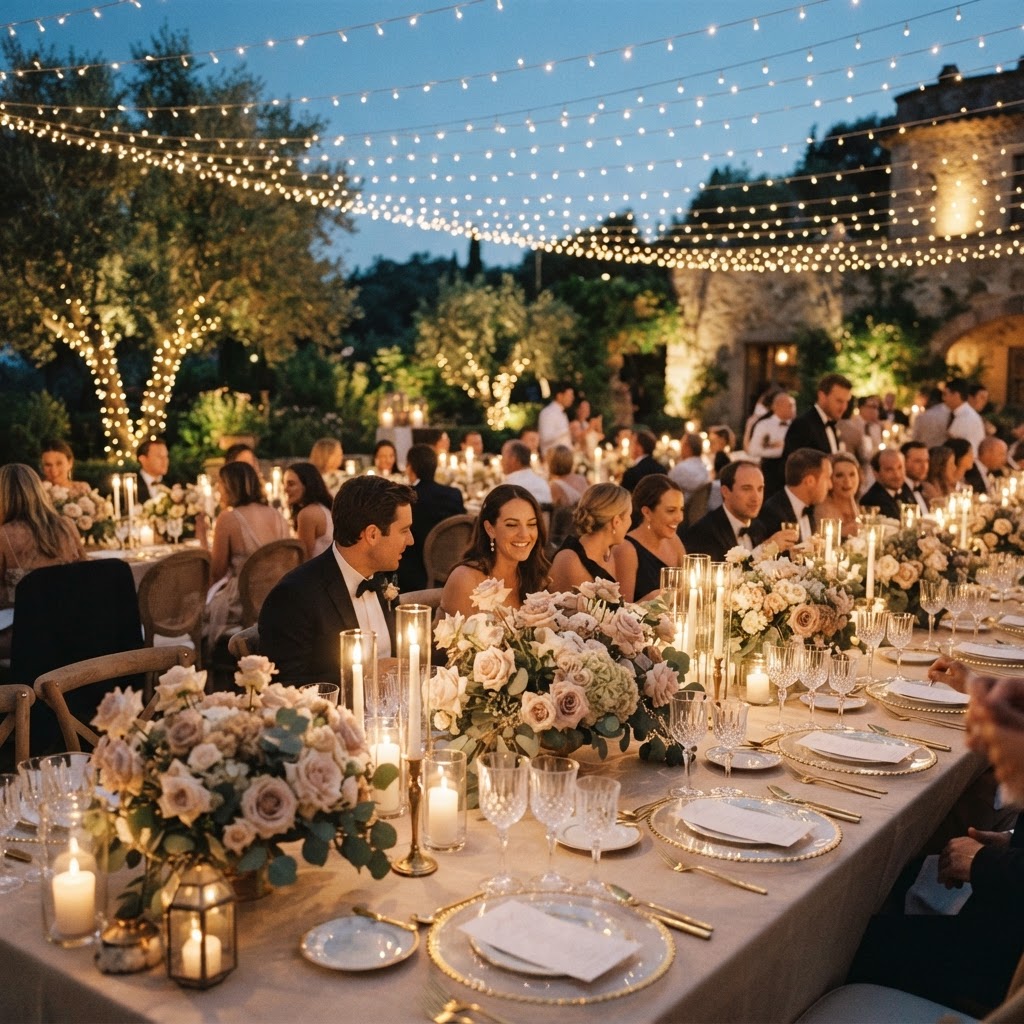
Wedding Lighting 101: The Most Underrated Part of Your Wedding Design
September 28, 2026
A wedding is a celebration, but it is also a temporary event with a fixed date, multiple suppliers and very little room for last-minute confusion. Good planning therefore means…
Wedding Lighting 101: The Most Underrated Part of Your Wedding Design
A wedding is a celebration, but it is also a temporary event with a fixed date, multiple suppliers and very little room for last-minute confusion. Good planning therefore means more than collecting inspiration. It means asking good questions, documenting decisions, communicating clearly and creating backup plans.
This article focuses on natural light, ceremony lighting, ambient lighting, then moves into the practical details that make the plan easier to execute.
Natural Light
When you are planning around natural light, begin with a clear definition of what you need to accomplish. Write down the outcome, the people involved, the deadline and any budget or venue limitation. This turns a vague wedding task into a manageable decision. It also gives you something concrete to discuss with your partner, family members and vendors.
Documentation is another quiet superpower in wedding planning. Save contracts, invoices, floor plans, inspiration boards, guest information and important emails in one organized location. When a question arises months later, the couple should be able to find the answer without relying on memory.
A practical way to handle natural light is to create a short checklist before making a commitment. Confirm the important facts, record the answer, and assign one person to follow up. If a detail affects another vendor, add that dependency to the same planning document. This prevents the common problem where one small change quietly creates three new problems elsewhere.
Ceremony Lighting
When you are planning around ceremony lighting, begin with a clear definition of what you need to accomplish. Write down the outcome, the people involved, the deadline and any budget or venue limitation. This turns a vague wedding task into a manageable decision. It also gives you something concrete to discuss with your partner, family members and vendors.
Finally, remember that professional expertise has value. Couples do not need to know how to run a catering service, photograph a ceremony, manage a dance floor or coordinate a complex venue setup. Their job is to communicate their priorities and choose professionals whose experience matches the event. The right experts can prevent problems before the couple even knows they exist.
A practical way to handle ceremony lighting is to create a short checklist before making a commitment. Confirm the important facts, record the answer, and assign one person to follow up. If a detail affects another vendor, add that dependency to the same planning document. This prevents the common problem where one small change quietly creates three new problems elsewhere.
Ambient Lighting
When you are planning around ambient lighting, begin with a clear definition of what you need to accomplish. Write down the outcome, the people involved, the deadline and any budget or venue limitation. This turns a vague wedding task into a manageable decision. It also gives you something concrete to discuss with your partner, family members and vendors.
Start by defining what success looks like in this area. A useful planning decision should connect to the couple's priorities, the guest experience and the realities of the venue and budget. If a choice sounds attractive but creates several downstream problems, it deserves another look. The best planning systems make tradeoffs visible rather than pretending every option can be included.
A practical way to handle ambient lighting is to create a short checklist before making a commitment. Confirm the important facts, record the answer, and assign one person to follow up. If a detail affects another vendor, add that dependency to the same planning document. This prevents the common problem where one small change quietly creates three new problems elsewhere.
Planning checkpoint: Before moving on from ambient lighting, ask: What could go wrong, who needs to know, and what is our backup plan?
Candles
When you are planning around candles, begin with a clear definition of what you need to accomplish. Write down the outcome, the people involved, the deadline and any budget or venue limitation. This turns a vague wedding task into a manageable decision. It also gives you something concrete to discuss with your partner, family members and vendors.
One of the simplest ways to reduce stress is to replace assumptions with questions. Ask what is included, who is responsible, when a decision becomes final, what happens if circumstances change, and how the information will be communicated. Written answers are particularly valuable because wedding planning often involves many conversations over many months.
A practical way to handle candles is to create a short checklist before making a commitment. Confirm the important facts, record the answer, and assign one person to follow up. If a detail affects another vendor, add that dependency to the same planning document. This prevents the common problem where one small change quietly creates three new problems elsewhere.
Uplighting
When you are planning around uplighting, begin with a clear definition of what you need to accomplish. Write down the outcome, the people involved, the deadline and any budget or venue limitation. This turns a vague wedding task into a manageable decision. It also gives you something concrete to discuss with your partner, family members and vendors.
Couples should also separate the ideal outcome from the minimum acceptable outcome. For example, the ideal plan may involve a particular vendor, schedule or design, while the fallback plan protects the same underlying priority in a different way. Thinking this way creates flexibility without abandoning the wedding vision.
A practical way to handle uplighting is to create a short checklist before making a commitment. Confirm the important facts, record the answer, and assign one person to follow up. If a detail affects another vendor, add that dependency to the same planning document. This prevents the common problem where one small change quietly creates three new problems elsewhere.
Dance-Floor Lighting
When you are planning around dance-floor lighting, begin with a clear definition of what you need to accomplish. Write down the outcome, the people involved, the deadline and any budget or venue limitation. This turns a vague wedding task into a manageable decision. It also gives you something concrete to discuss with your partner, family members and vendors.
Communication is often the difference between a small planning issue and a major wedding-day problem. A clear contact person, a shared document and a confirmed deadline can prevent dozens of unnecessary messages. Couples should decide early who receives vendor updates and who has authority to approve changes.
A practical way to handle dance-floor lighting is to create a short checklist before making a commitment. Confirm the important facts, record the answer, and assign one person to follow up. If a detail affects another vendor, add that dependency to the same planning document. This prevents the common problem where one small change quietly creates three new problems elsewhere.
Planning checkpoint: Before moving on from dance-floor lighting, ask: What could go wrong, who needs to know, and what is our backup plan?
Architectural Lighting
When you are planning around architectural lighting, begin with a clear definition of what you need to accomplish. Write down the outcome, the people involved, the deadline and any budget or venue limitation. This turns a vague wedding task into a manageable decision. It also gives you something concrete to discuss with your partner, family members and vendors.
Budget decisions should be made in context. A cheaper option is not automatically better if it adds rental costs, transportation, labour or risk elsewhere. Conversely, a higher-priced service may be worthwhile when it solves a problem that would otherwise require several additional purchases. Compare the total value, not just the headline price.
A practical way to handle architectural lighting is to create a short checklist before making a commitment. Confirm the important facts, record the answer, and assign one person to follow up. If a detail affects another vendor, add that dependency to the same planning document. This prevents the common problem where one small change quietly creates three new problems elsewhere.
Photography Considerations
When you are planning around photography considerations, begin with a clear definition of what you need to accomplish. Write down the outcome, the people involved, the deadline and any budget or venue limitation. This turns a vague wedding task into a manageable decision. It also gives you something concrete to discuss with your partner, family members and vendors.
Documentation is another quiet superpower in wedding planning. Save contracts, invoices, floor plans, inspiration boards, guest information and important emails in one organized location. When a question arises months later, the couple should be able to find the answer without relying on memory.
A practical way to handle photography considerations is to create a short checklist before making a commitment. Confirm the important facts, record the answer, and assign one person to follow up. If a detail affects another vendor, add that dependency to the same planning document. This prevents the common problem where one small change quietly creates three new problems elsewhere.
Weather And Outdoor Power
When you are planning around weather and outdoor power, begin with a clear definition of what you need to accomplish. Write down the outcome, the people involved, the deadline and any budget or venue limitation. This turns a vague wedding task into a manageable decision. It also gives you something concrete to discuss with your partner, family members and vendors.
Finally, remember that professional expertise has value. Couples do not need to know how to run a catering service, photograph a ceremony, manage a dance floor or coordinate a complex venue setup. Their job is to communicate their priorities and choose professionals whose experience matches the event. The right experts can prevent problems before the couple even knows they exist.
A practical way to handle weather and outdoor power is to create a short checklist before making a commitment. Confirm the important facts, record the answer, and assign one person to follow up. If a detail affects another vendor, add that dependency to the same planning document. This prevents the common problem where one small change quietly creates three new problems elsewhere.
Planning checkpoint: Before moving on from weather and outdoor power, ask: What could go wrong, who needs to know, and what is our backup plan?
Creating A Lighting Plan
When you are planning around creating a lighting plan, begin with a clear definition of what you need to accomplish. Write down the outcome, the people involved, the deadline and any budget or venue limitation. This turns a vague wedding task into a manageable decision. It also gives you something concrete to discuss with your partner, family members and vendors.
Start by defining what success looks like in this area. A useful planning decision should connect to the couple's priorities, the guest experience and the realities of the venue and budget. If a choice sounds attractive but creates several downstream problems, it deserves another look. The best planning systems make tradeoffs visible rather than pretending every option can be included.
A practical way to handle creating a lighting plan is to create a short checklist before making a commitment. Confirm the important facts, record the answer, and assign one person to follow up. If a detail affects another vendor, add that dependency to the same planning document. This prevents the common problem where one small change quietly creates three new problems elsewhere.
A Simple Action Plan
-
Review your plans for natural light, write down the decision you have made, and record the next action and deadline.
-
Review your plans for ceremony lighting, write down the decision you have made, and record the next action and deadline.
-
Review your plans for ambient lighting, write down the decision you have made, and record the next action and deadline.
-
Review your plans for candles, write down the decision you have made, and record the next action and deadline.
-
Review your plans for uplighting, write down the decision you have made, and record the next action and deadline.
-
Review your plans for dance-floor lighting, write down the decision you have made, and record the next action and deadline.
-
Review your plans for architectural lighting, write down the decision you have made, and record the next action and deadline.
-
Review your plans for photography considerations, write down the decision you have made, and record the next action and deadline.
Final Thoughts
The purpose of wedding planning is not to eliminate every surprise. It is to make the important decisions early enough that small surprises do not become major problems. Couples who communicate clearly, compare options carefully, document agreements and leave room for real life are better positioned to enjoy the day they have spent so much time creating.
Use this guide as a working document rather than a rigid rulebook. Adapt the recommendations to your venue, culture, family, guest list, budget and priorities. A successful wedding is not defined by how closely it follows a template. It is defined by whether the celebration feels intentional, welcoming and genuinely connected to the couple.